Cybersecurity Talent Retention: Why Workplace Flexibility Is the Key to Closing the Cyber Skills Gap
For years, organizations have treated cybersecurity as a technology problem. Firewalls, endpoint protection, identity management, zero-trust architectures, cloud security platforms, and AI-powered threat detection have all received enormous investment. Yet despite these advances, one challenge continues to grow: finding and keeping talented cybersecurity professionals.
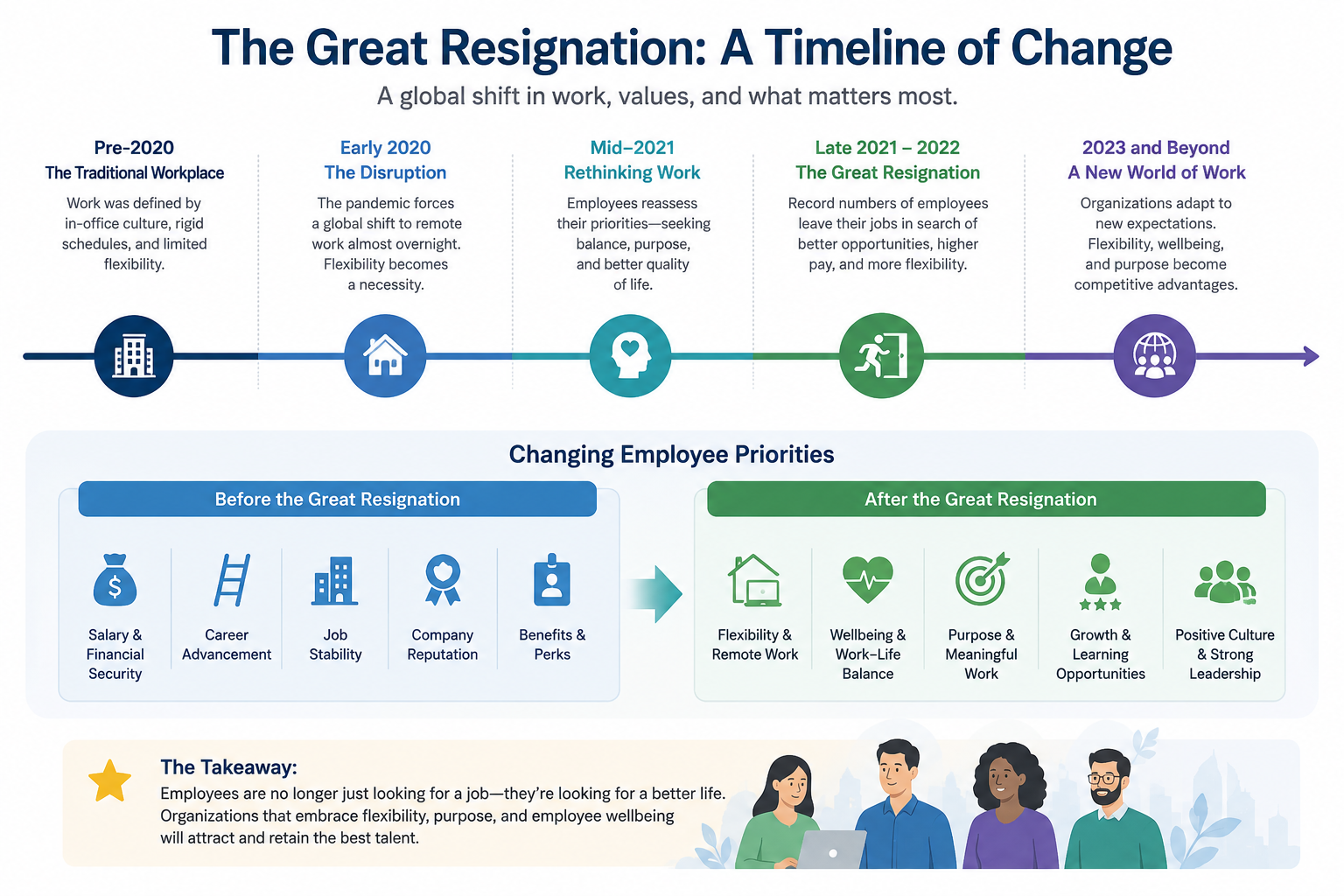
The hiring crisis accelerated after what became known as the Great Resignation. Employees across nearly every industry began reevaluating what they wanted from work. Competitive salaries remained important, but flexibility, work-life balance, career development, and organizational culture became equally influential when deciding whether to stay with an employer.
The Cybersecurity Skills Gap Continues to Grow
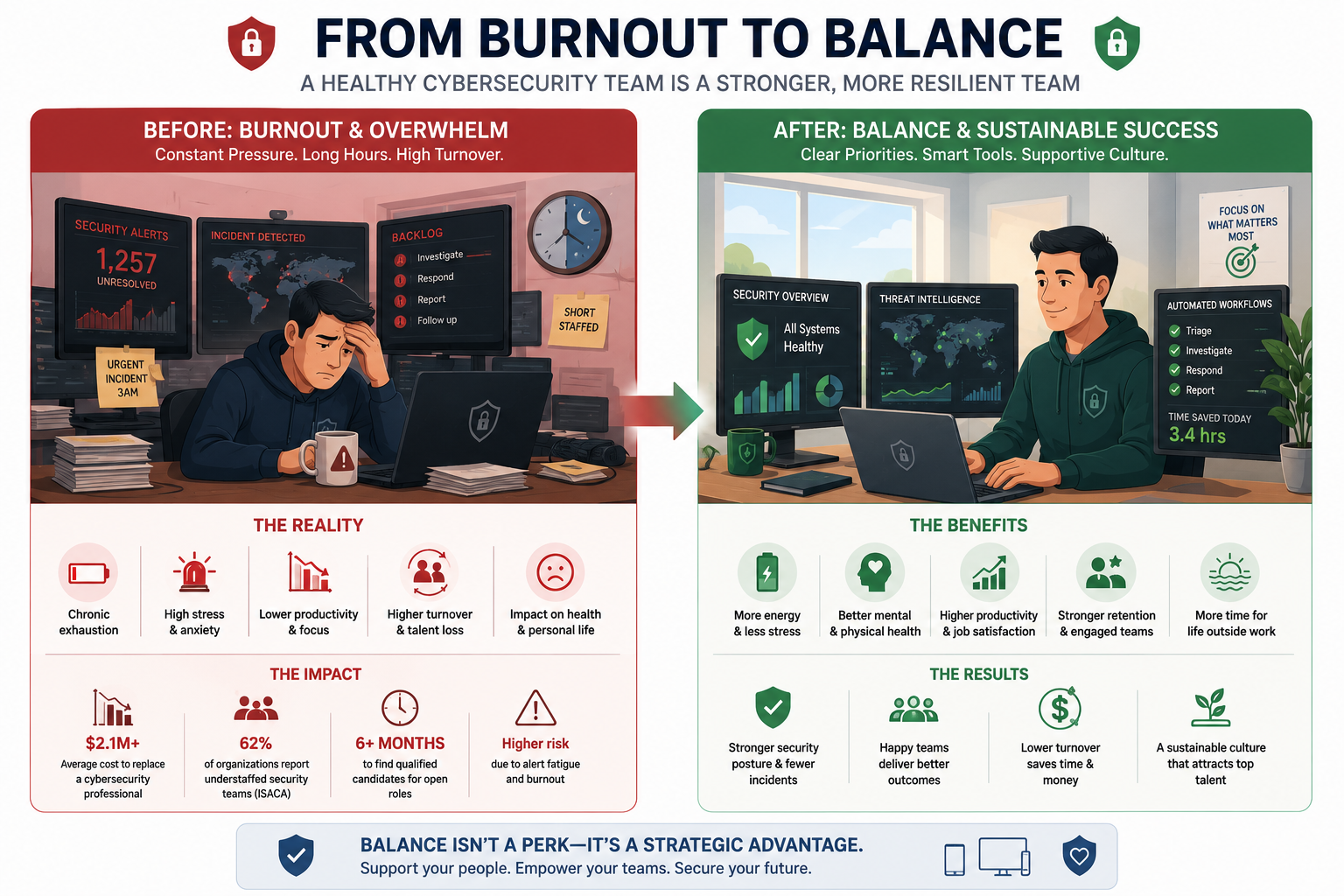
Recent research demonstrates just how severe the challenge has become. According to ISACA's State of Cybersecurity report, organizations are struggling more than ever to recruit and retain qualified cybersecurity professionals. Nearly two-thirds (63%) of organizations currently have unfilled cybersecurity positions, an increase from previous years. Additionally, 62% report that their cybersecurity teams are understaffed, while one in five organizations takes longer than six months to fill an open cybersecurity position.
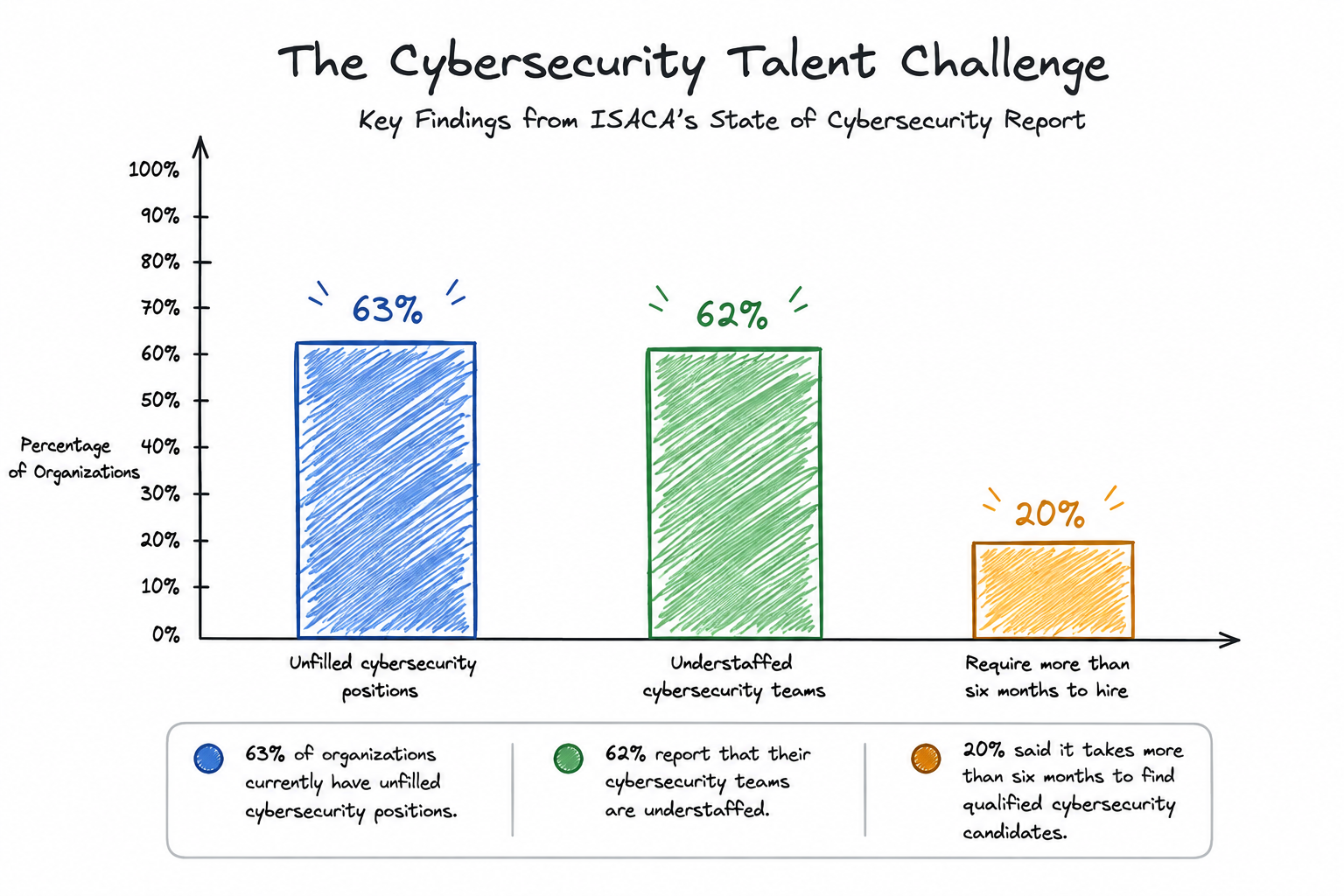
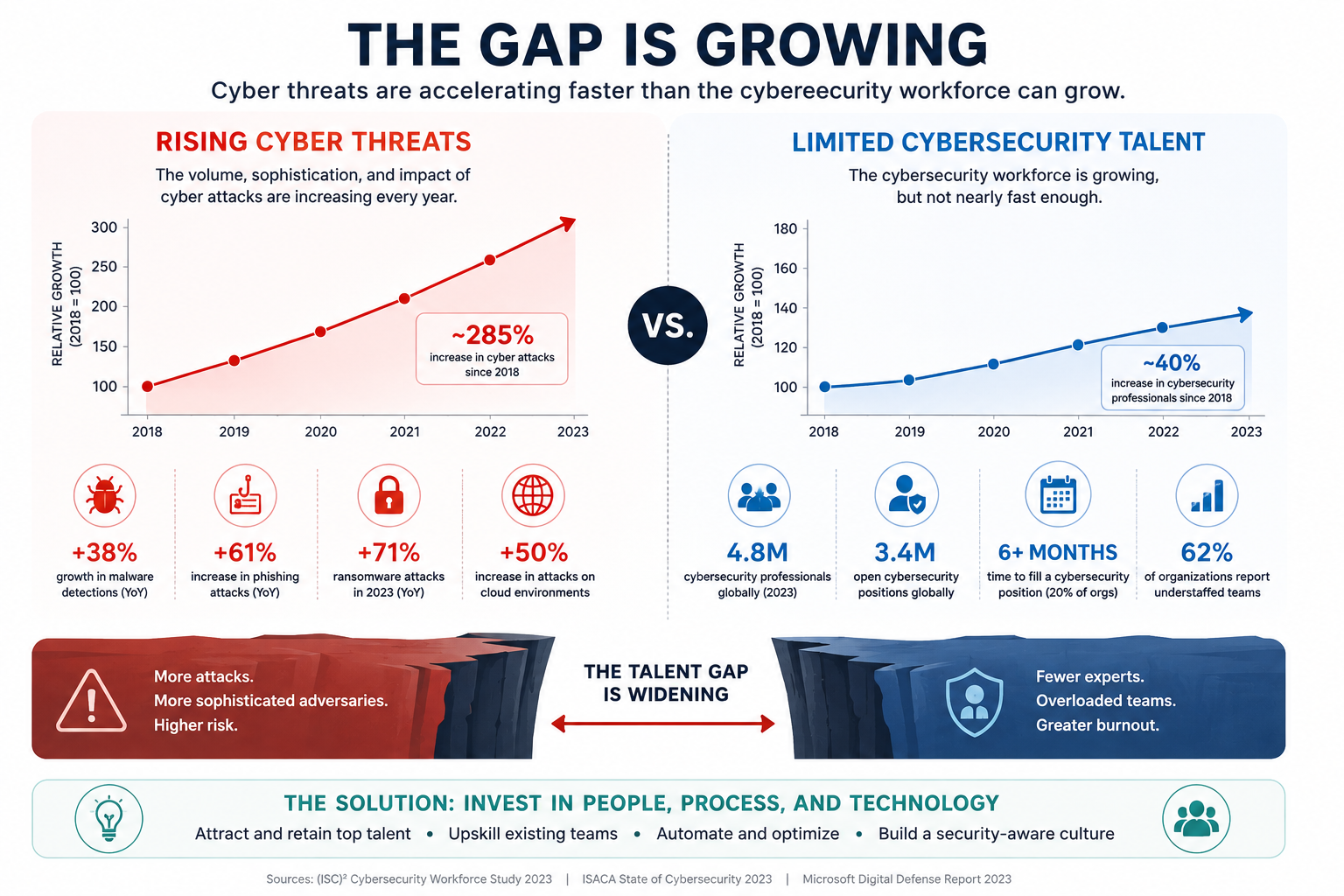
These statistics paint a concerning picture. Cyber threats continue to evolve daily while the pool of experienced security professionals grows much more slowly. Organizations are therefore competing for the same limited talent, making employee retention just as important as recruitment.
Why Cybersecurity Professionals Are Leaving
Salary remains a factor, but it is no longer the only consideration. Cybersecurity professionals often work under intense pressure. Security incidents occur around the clock, attackers never take holidays, and many teams are expected to protect increasingly complex infrastructures without corresponding increases in staffing.
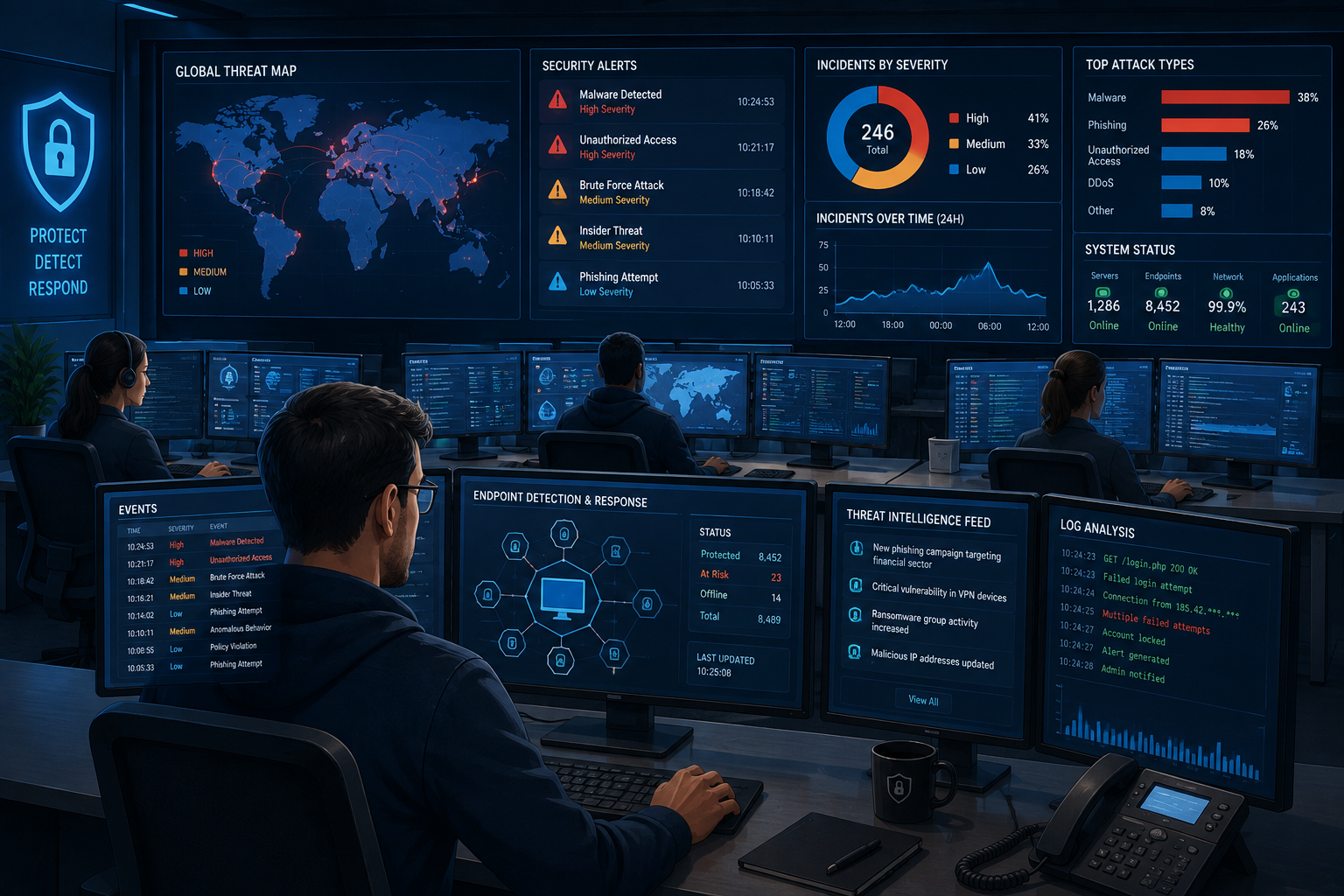
Burnout has become one of the industry's biggest challenges. Long hours, constant alerts, incident response responsibilities, compliance deadlines, and the psychological stress of defending against sophisticated attacks all contribute to employee fatigue. When professionals become exhausted, they often seek employers offering healthier working conditions.
Flexibility Has Become a Competitive Advantage
Today's cybersecurity professionals increasingly expect flexibility. Remote work, hybrid schedules, asynchronous collaboration, flexible working hours, and outcome-based performance measurements have become standard expectations rather than exceptional benefits.
Organizations that insist on rigid office attendance may significantly reduce their available talent pool. In contrast, companies embracing flexible work arrangements can recruit professionals from across the country—or even globally—dramatically expanding their hiring opportunities.
Retention Is Less Expensive Than Recruitment
Replacing experienced cybersecurity professionals is both expensive and time-consuming. Beyond recruitment costs, organizations lose institutional knowledge, disrupt ongoing security initiatives, increase onboarding expenses, and temporarily reduce operational efficiency.
When positions remain vacant for months, existing employees absorb additional responsibilities. This increased workload often accelerates burnout, creating a vicious cycle in which additional resignations become increasingly likely.
Cybersecurity Will Remain a Strategic Priority
Despite economic uncertainty and layoffs affecting portions of the technology industry, cybersecurity continues to receive significant executive attention. Research suggests cybersecurity teams will be among the least affected by workforce reductions because executive leadership increasingly recognizes cybersecurity as essential to business continuity.
According to (ISC)² research, while many technology organizations anticipate workforce reductions, only approximately 10% expect to reduce cybersecurity staffing, emphasizing the strategic importance of protecting digital assets.
Building Flexible Security Teams
Flexibility extends beyond allowing employees to work from home. High-performing organizations provide flexible scheduling, encourage continuous learning, invest in employee wellbeing, offer clear career development opportunities, and measure employees based on outcomes rather than hours spent at a desk.
Technology Should Support Flexibility, Not Micromanagement
One challenge for distributed cybersecurity teams is maintaining visibility without creating an environment of surveillance. Managers need sufficient insight into workloads, project allocation, and productivity while respecting employee autonomy.
This is where intelligent productivity tools become valuable. Rather than relying on manual timesheets or constant status meetings, organizations can use passive time tracking technologies that automatically capture work activity while allowing professionals to remain focused on higher-value security tasks.
How Chrometa Supports Flexible Cybersecurity Teams
Chrometa helps organizations understand how time is actually spent without requiring employees to manually track every activity. By automatically recording work performed across applications, websites, documents, and communications, Chrometa provides valuable insights into productivity while minimizing administrative overhead.
Managers gain visibility into workload distribution, helping identify overloaded team members before burnout becomes a serious issue. Employees spend less time completing administrative tasks and more time focused on meaningful security work.
Using Data to Improve Employee Experience
Flexible work should not mean reduced visibility. Instead, organizations should use objective productivity data to improve planning, resource allocation, and employee wellbeing. Analytics can reveal excessive overtime, recurring bottlenecks, inefficient processes, and opportunities to redistribute work more fairly across teams.
Rather than asking employees to prove they are working, leaders can focus on identifying where additional support, automation, or staffing is required.
Preparing for the Future Cyber Workforce
The cybersecurity talent shortage is unlikely to disappear anytime soon. AI may automate certain routine tasks, but human expertise remains essential for incident response, strategic planning, governance, threat hunting, and risk management.
Organizations that successfully combine flexible working practices, strong leadership, employee wellbeing initiatives, continuous learning, and intelligent productivity tools will be best positioned to attract and retain top cybersecurity talent.
Conclusion
The cybersecurity hiring challenge is no longer simply about finding qualified professionals—it is about creating an environment where talented people want to stay. As ISACA's research demonstrates, organizations continue to struggle with understaffed security teams and lengthy recruitment cycles, making employee retention more valuable than ever. Flexible work arrangements, balanced workloads, supportive leadership, and intelligent productivity tools can significantly improve both employee satisfaction and organizational resilience. Rather than relying on outdated management practices, forward-thinking organizations are embracing flexibility while leveraging data to better understand workloads, reduce burnout, and improve operational efficiency. Those that prioritize both security and employee experience will be best equipped to close the cybersecurity skills gap and build stronger, more resilient security teams for the future.
Ready to Support Your Cybersecurity Team?
Discover how Chrometa helps distributed teams improve visibility, reduce administrative work, identify workload imbalances, and support flexible work environments through automatic time tracking. Start your free Chrometa trial today and see how intelligent productivity insights can help your organization retain its most valuable cybersecurity professionals.
Similar Stories


Enterprise
5 Resources to Boost Your Freelance Productivity
The modern freelancer has a lot of plates to spin on a daily basis in order to succeed – and there never seems to be enough hours in the day. Those that use their limited time most efficiently will blow past the competition and make an impact in their chosen market. . Read More

Enterprise
6 Tips to Maintain a Healthy Work-Life Balance during COVID
Confinement, lockdown, quarantine, shelter-in-place… .... Read More